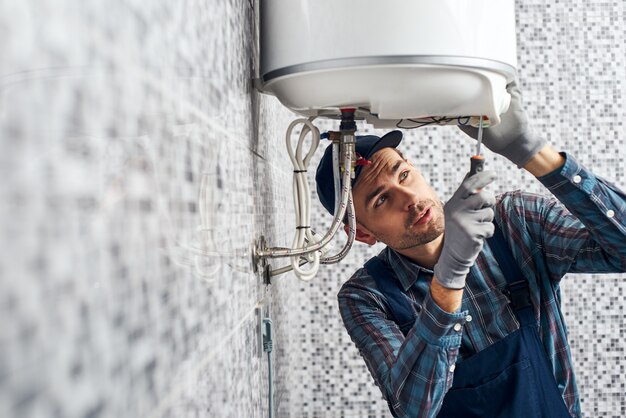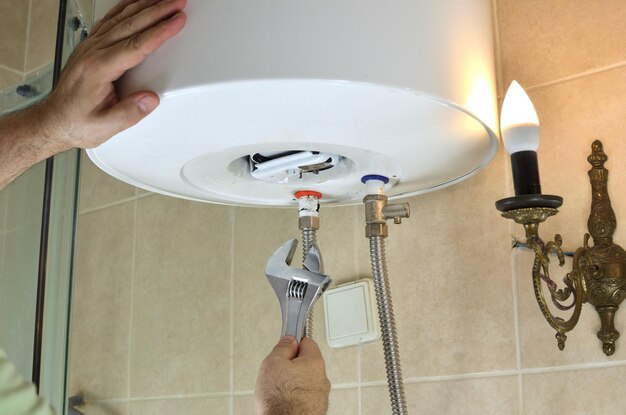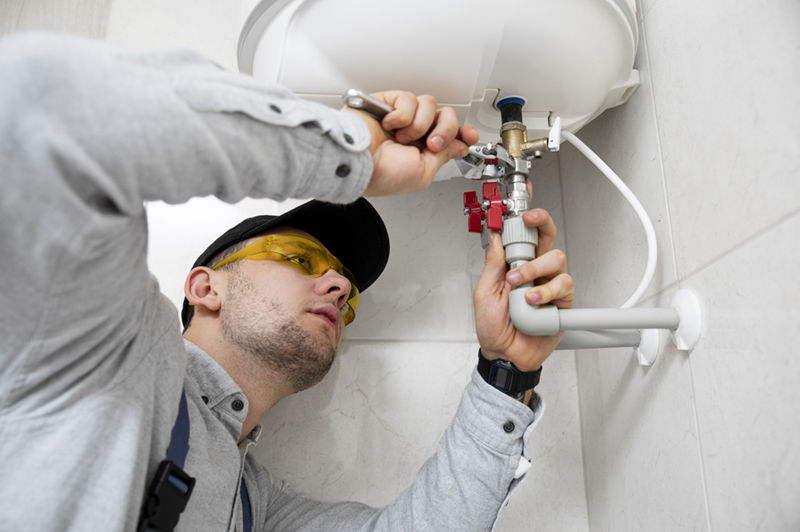
Geyser Repair & Services
Hot-water geysers make daily life easier — but like any appliance, they need regular maintenance and prompt repairs to keep running efficiently and safely. Here's everything you should know to prolong the life of your geyser and avoid unexpected breakdowns.
Energy efficiency & cost savings: Over time, mineral deposits and sediment build-up inside the tank reduce heating efficiency, meaning the element works harder — raising electricity bills. Regular servicing restores efficiency.
Prevent breakdowns and extend lifespan: Routine inspection and maintenance help identify small problems (like scale, leaks, worn-out parts) before they become serious. This reduces the risk of major failures, and helps your geyser last much longer.
Safety & reliability: Heating water involves electricity and pressure. Faulty wiring, clogged safety valves, or sediment build-up can lead to hazards — from malfunctioning heaters to leaks or even short circuits. Regular checks help avoid accidents.
When It’s Time to Call a Professional
Strange noises (popping, rattling, banging): often a sign of sediment build-up or air pockets inside.
Water discoloration or rust: indicates internal tank corrosion or plumbing issues.
Inconsistent heating :— water too cold, or takes too long to heat up — often a failing heating element or sediment cover over heating coil.
Signs of leaks around safety valves, pipe joints or power socket areas :— must be addressed immediately to avoid water damage or electrical risks.
Age-related wear and tear :— if your geyser is older than 8–10 years and shows frequent issues, consider deciding whether to repair or replace.
Safety & Usage Tips
*-Always set your geyser thermostat to a moderate temperature — around 50–55 °C (122–131 °F) — enough for hot water but not so high that it risks scalding or over-strain.*-If you live in a hard-water zone, consider adding a water softener or pre-filter — this helps reduce scale build-up and extends geyser life.
*-During long absences (vacations, summer breaks), turn off the geyser and drain the tank — avoids stagnation, mineral deposit formation, and corrosion.